


The Role of Universities in Sustainable Development and Social Inclusion
Presentation of WP4 Findings from the OpenEU Alliance at the International Conference “Migration, the Global Quest for Educational Equity and Intercultural Education”
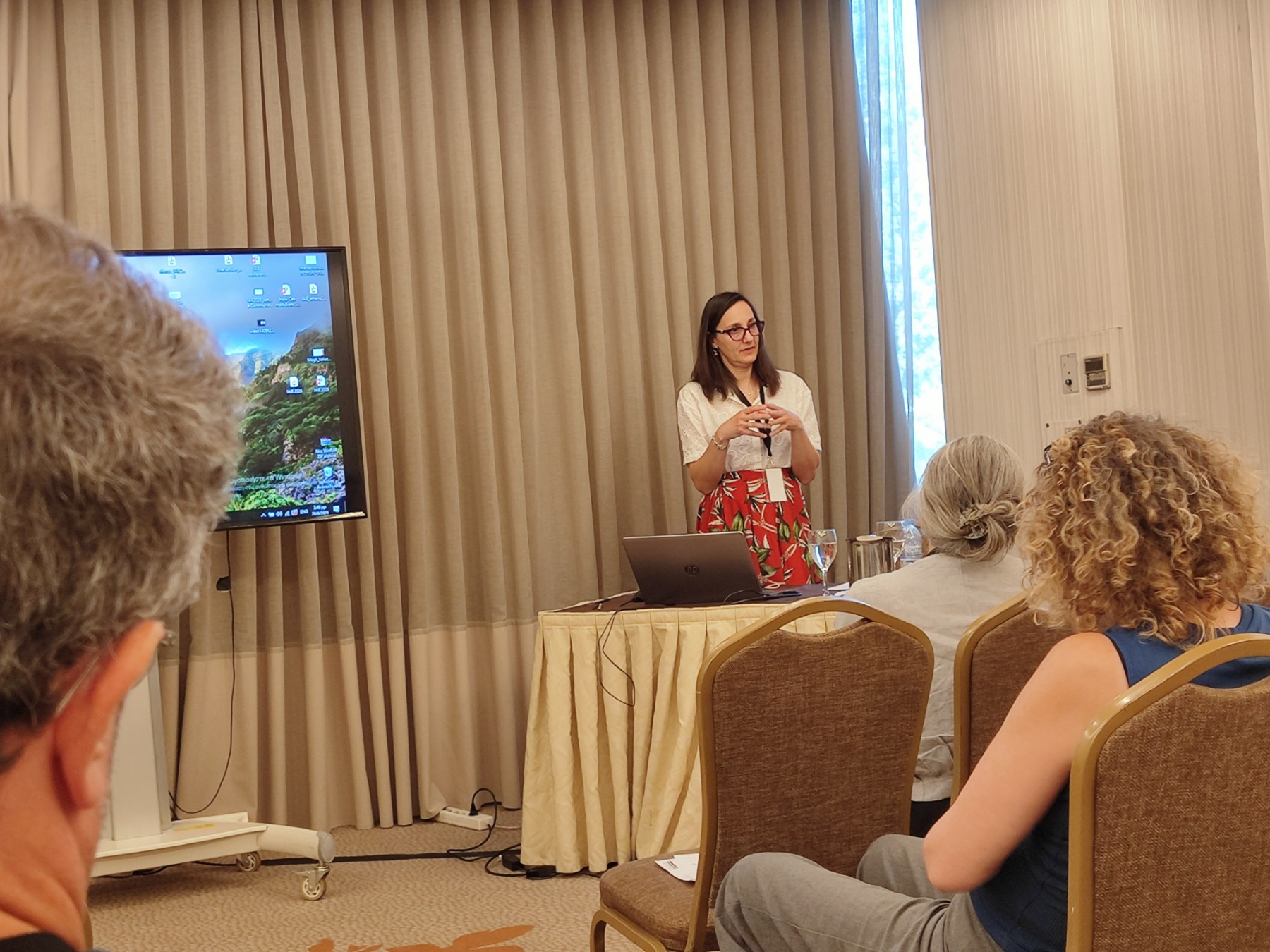
The OpenEU Presentation
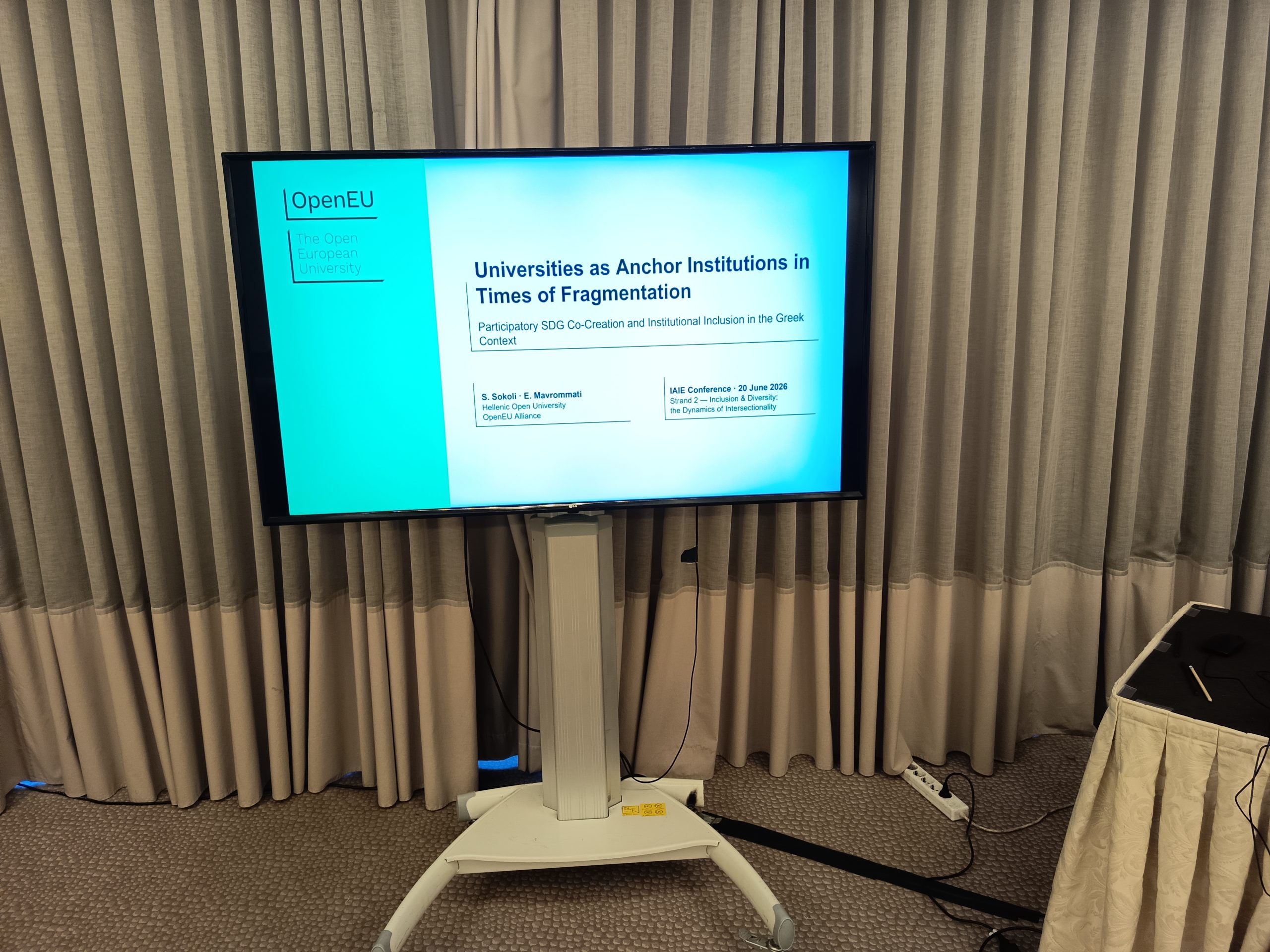
As part of the International Conference “Migration, the Global Quest for Educational Equity and Intercultural Education,” organized by the Hellenic Open University (HOU) and the International Association for Intercultural Education (IAIE) on 19–21 June 2026 in Athens, Stavroula Sokoli and Eirini Mavrommati presented the paper entitled:
Universities as Anchor Institutions in Times of Fragmentation: Participatory SDG Co-Creation and Institutional Inclusion in the Greek Context
The Hellenic Open University Workshop
The presentation highlighted the findings of a workshop organized by the Hellenic Open University in November 2025, as part of the OpenEU Alliance (WP4).
The workshop brought together 85 participants from academia, public administration, civil society, and the business sector.
Participants worked in five groups, each focusing on one of the Sustainable Development Goals (SDGs 4, 9, 13, 16, and 17), and identified challenges and proposals concerning the role of the university.
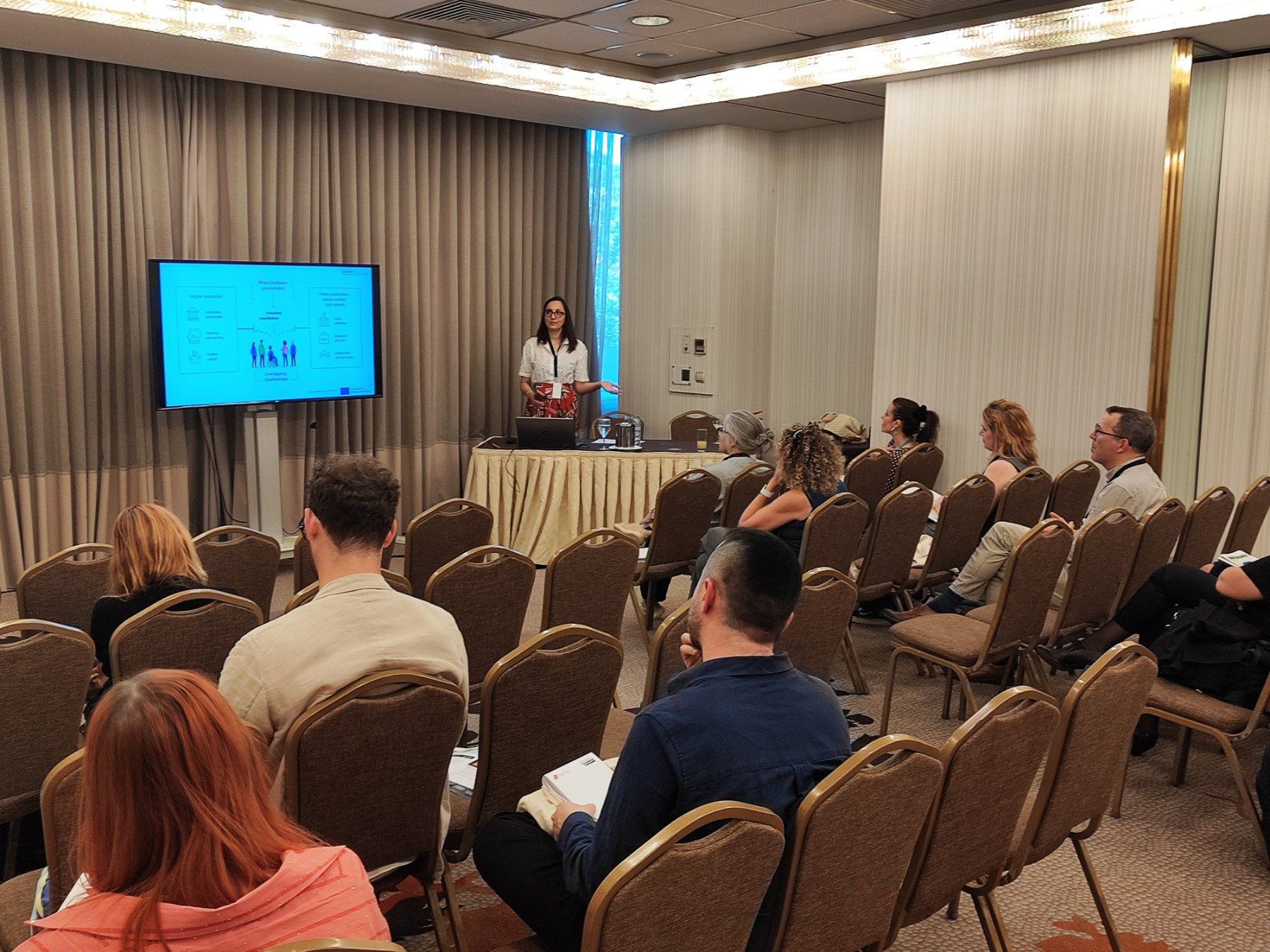
The Barriers Are Located at Points of Transition
The key finding concerned where exactly the barriers are located. They are not primarily found within education, the labour market, or public services considered separately, but rather at the points of transition between systems.
For example, when moving from education to employment or from one public service to another.
The Role of the University
Despite focusing on different Sustainable Development Goals, the common conclusion reached by all working groups was that the university’s distinctive contribution does not lie in isolated inclusion initiatives, which often depend on one or two individuals and cease when those individuals leave.
Permanent Institutional Responsibility and Coordination
Instead, its contribution lies in assuming permanent institutional responsibility for coordinating public authorities, businesses, and civil society.
Proposals and Next Steps
The proposals formulated during the workshop will inform the design of the OpenEU Alliance’s next actions.
Living Labs
Participatory environments for collaboration, experimentation and the co-creation of solutions.
Sustainability Offices
Permanent structures supporting the coordination of sustainable development initiatives.
Structured Work-Based Learning
Structured work-based learning and internship schemes connecting academic education with professional practice.
Participatory Governance
Governance mechanisms strengthening participation and cooperation among the stakeholders involved.
The workshop findings highlight the potential of universities to act as institutional anchors connecting different systems and stakeholders and contributing to sustainable development, social inclusion and stronger structures for long-term cooperation.
